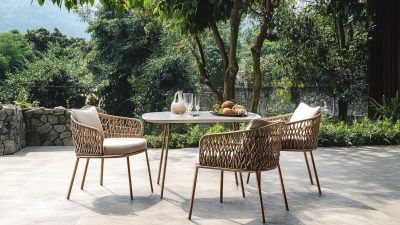
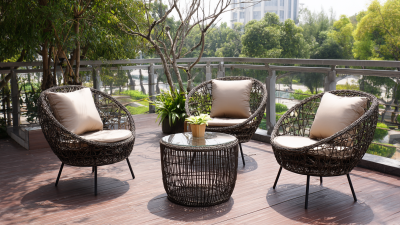
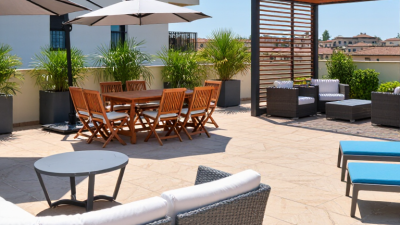
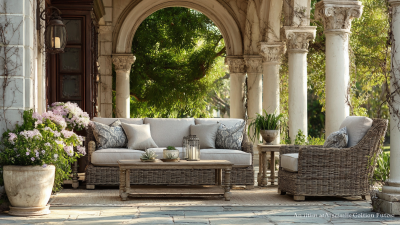
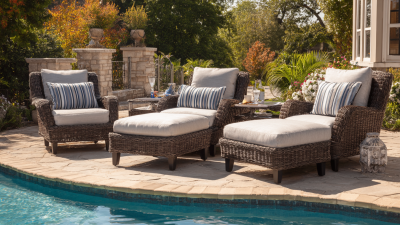
Choosing the best Garden Dining Chairs is less about copying a beautiful patio photograph. It is about understanding weather, comfort, space, and daily habits. Richard Schultz, the American outdoor-furniture designer, expressed a useful principle: “Good outdoor furniture should be designed for the outdoors.” That idea still matters when comparing modern garden seating.
A strong chair should suit the table height and leave enough room for relaxed movement. Measure the dining area before shopping. A narrow balcony may need slim chairs with clean arms. A larger terrace can support deeper seats and wider designs. Check the materials closely. Powder-coated aluminium resists rust and stays relatively light. Teak develops a silver-grey surface when left untreated. Weather-resistant rope can feel comfortable, but it still needs regular cleaning.
Comfort deserves equal attention. Sit for several minutes, if possible. Notice the seat angle, back support, and arm height. A chair may look elegant yet feel stiff after a long meal. That mistake is easy to make. Stackability also matters when winter storage is limited. Cushions should have removable covers, quick-drying fillings, and secure ties in windy gardens.
No single chair suits every home. Local rain, strong sunlight, salty air, and cleaning routines can change the decision. Product descriptions can also sound more durable than real life. Read care instructions carefully, and check the warranty before buying. The best choice balances appearance with evidence, comfort, and honest maintenance expectations. Sometimes the less dramatic chair performs better. That is worth remembering.
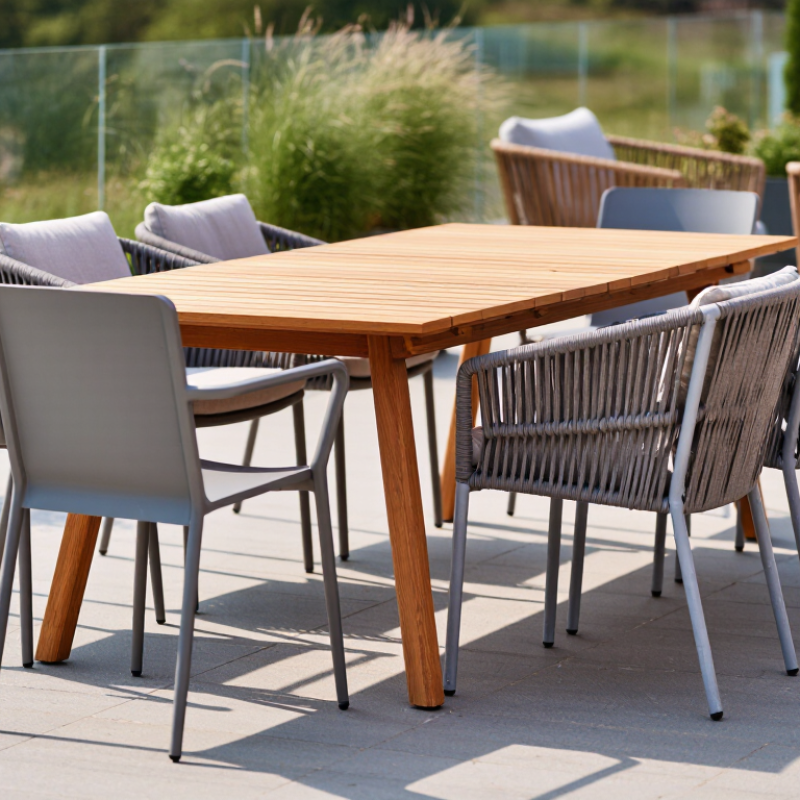
Choosing garden dining chairs starts with understanding how the space actually works.
According to the National Association of Home Builders’ 2024 report, 82% of buyers considered a patio desirable. That demand makes outdoor dining more than a decorative afterthought. Measure the dining zone, walking paths, door swings, and afternoon shade. A six-seat table usually needs at least 9 by 11 feet for comfortable movement.
The American Society of Landscape Architects’ 2023 Residential Landscape Architecture Trends Survey identified outdoor living as a major residential priority. Your chairs should support that lifestyle, not obstruct it. For frequent meals, choose supportive backs, stable legs, and quick-drying cushions. For compact balconies, armless chairs can save valuable width. I prefer leaving 24 to 30 inches behind each chair, although small gardens may require compromise. That compromise should not become daily frustration.
Weather exposure changes the decision. Inspect drainage after rain, especially near paving that holds water. Powder-coated metal can suit open patios, while treated timber may feel warmer beside planting beds. Check seat height against the table before buying; even a small mismatch causes awkward knees. I still make this mistake when judging furniture by appearance alone. Sit for ten minutes. Then stand, turn, and reach for a plate. A chair that looks elegant but shifts on uneven paving is not practical. Research from the Forest Products Laboratory also shows that moisture cycling can accelerate outdoor wood movement, so ventilation and maintenance deserve equal attention.
Outdoor durability begins with the material, not the cushion colour. Grand View Research reported that the global outdoor furniture market reached approximately 20.8 billion dollars in 2023. It also projects steady growth through 2030. More purchases mean more replacement waste, so material choice deserves careful attention.
Aluminium chairs resist rust and remain relatively light. Powder coating helps, but scratches can expose the metal underneath. Steel feels sturdier, although untreated steel may develop rust around joints.
The American Galvanizers Association reports that hot-dip galvanized coatings can protect steel for more than 50 years in suitable environments. That figure depends heavily on moisture, salt, and surface damage. Coastal gardens are less forgiving.
Synthetic resin and recycled plastic need little maintenance. A soft brush and mild soap usually remove pollen and food stains. However, dark surfaces can become hot under direct sunlight.
Teak and other dense hardwoods offer a warm, natural appearance. The U.S. Forest Service explains that wood moisture changes with surrounding humidity, which can cause movement and surface checking.
I once underestimated this effect; a chair looked perfect in spring, then developed small cracks by late summer. Drainage holes, raised feet, and breathable covers often matter as much as the material itself. Choose smooth welds, replaceable hardware, and legs that sit firmly on uneven paving.
Choosing garden dining chairs starts with accurate measurements, not attractive photos. I once bought wide chairs for a narrow patio. Guests kept scraping the table and wall. Allow at least 60 centimetres of table edge per person. A seat height of 43–48 centimetres usually suits standard dining tables. Check the table height, armrest clearance, and walking space before purchasing.
Shape affects movement and conversation. Round tables pair well with curved or compact chairs. Rectangular tables need chairs with stable, straight profiles. A 2024 American Society of Landscape Architects residential trends report placed outdoor dining and entertaining among the most requested landscape features. This demand makes practical planning more important. Choose a seat depth near 45–50 centimetres, then test your posture. Your feet should rest flat, without pressure behind the knees. Weather-resistant frames matter, but drainage matters too. Look for slatted seats, quick-drying cushions, and smooth edges.
Tips: Sit for five minutes before buying. Check shoulder support and back angle. Measure armrests under the tabletop. Leave roughly 90 centimetres behind occupied chairs when possible. ASTM outdoor-furniture guidance and ANSI/BIFMA seating principles both emphasize stability, load resistance, and repeat-use durability. They do not guarantee personal comfort, however. Comfort remains partly subjective. A chair can pass a strength test and still feel wrong after a long meal.
How to Choose the Best Garden Dining Chairs?
Evaluating Weather Resistance, Stability, and Safety
A garden chair must handle rain, sunlight, temperature changes, and regular cleaning. I check the frame after wet weather, especially around joints and screw heads. Powder-coated metal usually resists rust, but scratched areas can weaken quickly. Treated hardwood needs sealed end grains and occasional maintenance. UV-stabilized plastic can perform well, though cheaper materials may become brittle. Look underneath. Drainage holes prevent water from collecting inside hollow frames.
Stability matters on patios, lawns, and uneven paving. Place each chair on a flat surface, then gently press the seat from different directions. It should not rock, twist, or lift one leg. Wide feet improve balance on soft ground. Cross braces can strengthen folding designs. In windy gardens, heavier chairs may stay safer, but excessive weight makes moving them awkward. I once chose attractive lightweight chairs and regretted it after a strong gust.
Safety details deserve close attention. Check the stated weight capacity and leave enough space between chairs and tables. Rounded edges reduce painful knocks, while smooth finishes help prevent splinters and cuts. Folding chairs need secure locking mechanisms, not loose hinges. Children may climb, so avoid unstable designs near steps or raised areas. Inspect fasteners every few months. I sometimes forget this task, which is exactly why a visible maintenance note helps. A small wobble can become a serious fall risk.
| Chair Material / Construction | Weather Resistance (1–5) |
Typical Weight Capacity |
Stability Potential (1–5) |
Corrosion / Moisture Behavior | Safety Considerations | Maintenance Frequency | Best Use Case |
|---|---|---|---|---|---|---|---|
| Powder-coated aluminum frame Lightweight, rust-resistant metal |
5 | 110–150 kg | 4 | Does not rust like steel; chipped coating can expose the metal to oxidation. | Check welded joints, non-slip feet, rounded edges, and resistance to strong wind. | Clean every few weeks; inspect coating and fasteners seasonally. | Coastal, rainy, or frequently rearranged dining areas. |
| Stainless-steel frame Heavier metal with durable finish |
5 | 120–160 kg | 5 | Strong resistance to moisture; salt, chlorine, and trapped dirt can still cause staining or corrosion. | Usually stable because of higher weight; verify that feet are level and joints are secure. | Wash monthly in exposed locations; rinse after salt or chlorine contact. | High-use patios, poolside areas, and windy gardens. |
| Pressure-treated or sealed hardwood Solid timber construction |
3 | 100–140 kg | 5 | Can absorb water, swell, crack, or develop mildew if unsealed or kept damp. | Heavy and stable; inspect for splinters, loose joints, cracks, and uneven legs. | Clean regularly; reseal or oil approximately every 1–2 years as needed. | Sheltered patios and traditional garden settings. |
| High-density polyethylene Solid recycled-plastic or molded-plastic construction |
5 | 110–150 kg | 4 | Does not rust or absorb water; quality UV stabilizers help reduce fading and brittleness. | Wide legs and a low center of gravity improve stability; avoid sharp molded edges. | Wash with mild soap several times per season. | Rain-exposed gardens and low-maintenance households. |
| Polypropylene resin Lightweight molded plastic |
4 | 100–130 kg | 3 | Water-resistant and rust-free; prolonged sunlight can cause fading or brittleness without UV protection. | Light weight may increase wind movement; choose reinforced legs and anti-slip feet. | Wash as needed; store or secure during severe winds. | Portable seating and occasional outdoor dining. |
| Synthetic wicker over metal frame Outdoor resin weave construction |
4 | 100–140 kg | 4 | Resin fibers resist moisture; the underlying frame and trapped debris require inspection. | Check weave tension, frame rigidity, capped ends, and the absence of sharp broken strands. | Brush or wash monthly; dry thoroughly to reduce mildew around cushions. | Covered patios where comfort and appearance are priorities. |
| Untreated natural rattan or wicker Plant-fiber woven construction |
2 | 80–120 kg | 3 | Sensitive to prolonged rain, humidity, mildew, and direct sunlight; fibers may weaken over time. | Inspect for loose weaving, splinters, sharp ends, and weakened load-bearing areas. | Keep covered; clean gently and maintain protective coating when applicable. | Dry, covered balconies and protected conservatories. |
How to Choose the Best Garden Dining Chairs?
Matching Chair Design with Your Garden Dining Style
Your garden dining style should guide the chair design, not just the table’s size. A rustic garden suits chairs with natural textures, curved backs, and softly weathered finishes. Woven seats can echo nearby planters and timber fencing. For a modern patio, choose clean lines, slim frames, and muted colors. These details keep the dining area visually calm.
A coastal setting may benefit from light-colored chairs and breathable woven panels. In a compact courtyard, stackable chairs protect walking space without looking temporary. Measure twice. Leave enough room to pull each chair back comfortably. A practical gap of about 90 centimeters behind the chairs usually improves movement, especially around a busy dining table. Comfort matters.
Material should also match your garden’s exposure. Powder-coated metal handles damp conditions well, while treated wood needs periodic care. Breathable fabric may feel pleasant in summer, but it can retain moisture after rain. I once chose beautiful deep chairs for a narrow patio, and guests kept bumping the table when standing. The design looked right, but the proportions were wrong. That mistake changed how I assess outdoor furniture. Sit in the chair if possible, check arm height, and notice whether the seat traps heat. A slightly imperfect match can still feel welcoming when the scale, comfort, and surrounding textures work together.